




Listeners:
Top listeners:
00:00
00:00
volume_up
chevron_left
-
 play_arrow
Revolution Radio Your home for the best variety of Christian music
-
 play_arrow
Heartland Newsfeed Radio Network Heartland Newsfeed Radio Network
-
play_arrow
Heartland Newsfeed Radio Network (Abovecast Backup) Heartland Newsfeed Radio Network
-
 play_arrow
Home For The Holidays Radio
-
 play_arrow
How Do Other Countries do Healthcare? Andrew Heaton, Sally Primus
Starting a CSA: What new growers need to know
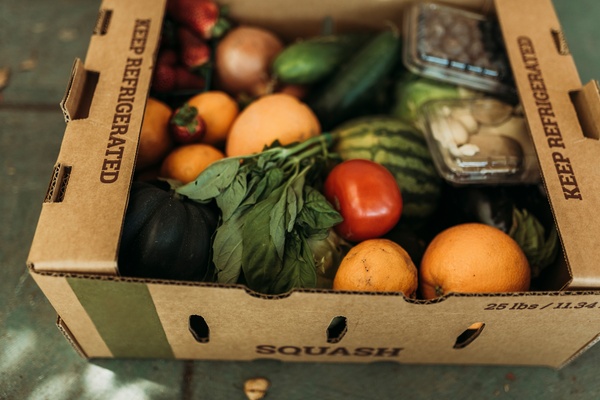
AD
Local food demand continues to grow across Illinois and Missouri. Rising grocery costs, extreme weather, and transportation issues have led more consumers to look for direct purchasing options from farmers. It’s an encouraging shift, but also one that comes with real challenges.
If you’re considering launching your first community-supported agriculture (CSA) program, you’re not alone. Let’s examine what new growers need to know when starting a CSA, from logistics and packaging to member expectations.
Set Realistic Expectations Early
Running a CSA requires you to plan your crop schedules carefully, harvest on a strict timeline, and manage communications with your members. Even a small CSA requires hours of administrative work each week. Most growers should consider sending weekly emails that list what’s in each share, provide storage instructions, and note any substitutions or shortages.
It’s also important to prepare for variability. Unexpected weather or pest issues can affect availability. Your members are essentially partners in your harvest. Transparency is key when things don’t go as planned.
Packaging and Pickup Logistics
CSA members expect clean, organized packaging. Start by deciding on your delivery model—on-farm pickup, centralized drop sites, or home delivery. Each comes with its own costs and time commitments.
Don’t overlook packaging materials. You must know how to choose the right mesh bags for different crops to keep your produce fresh while reducing waste. For example, tender greens require breathability, while root vegetables hold better in denser mesh.
Set Prices With Precision
It’s tempting to match prices from nearby CSAs, but doing so can lead to losses. Learning how to price a CSA share begins with knowing your exact production costs, including labor, packaging, seed, and transport. Then build in a margin for risk and income.
You’ll also want to decide on the share size—full, half, or flexible—and clearly define what members can expect week to week. Clarity now prevents confusion and disappointment later.
Manage Members Like a Business
Late payments, skipped pickups, and refund requests are common pain points for new growers. Set clear policies upfront and stick to them. Outline what happens when a member misses a pickup or wants to pause their share.
CSA management tools, such as Harvie and Farmigo, can help you track payments, coordinate delivery routes, and keep detailed records. A well-organized spreadsheet can make a difference if you’re starting small.
Plan Months Ahead
Many first-time CSA growers don’t start planning soon enough. Planning must begin in the fall for a spring launch, ideally by early November. Your plan should include ordering seed, designing crop rotations, and mapping out harvest windows.
The Midwest has experienced increasingly unpredictable spring weather over the past few years, which has compressed planting windows and impacted yields. Build flexibility into your plan, and consider staggering your start dates for different crops.
Start Small, Stay Honest
Overpromising is the most common mistake for new growers. It’s better to serve 10 households well than leave 30 disappointed. New growers must know many things when starting a CSA, but what you need to learn most of all is clarity and commitment.
Start with what you can manage, and build from there.
AD
 Nokomis, IL
 62°F
Feels like 62°F°L: 62° H: 62°
62°F
Feels like 62°F°L: 62° H: 62°
AD

AD