


Listeners:
Top listeners:
00:00
00:00
volume_up
chevron_left
-
 play_arrow
Revolution Radio Your home for the best variety of Christian music
-
 play_arrow
Heartland Newsfeed Radio Network Heartland Newsfeed Radio Network
-
play_arrow
Heartland Newsfeed Radio Network (Abovecast Backup) Heartland Newsfeed Radio Network
-
 play_arrow
Home For The Holidays Radio
-
 play_arrow
Democracy Now! 2026-09-09 Wednesday
How Metal Fabrication Technology Is Changing in 2026
AD
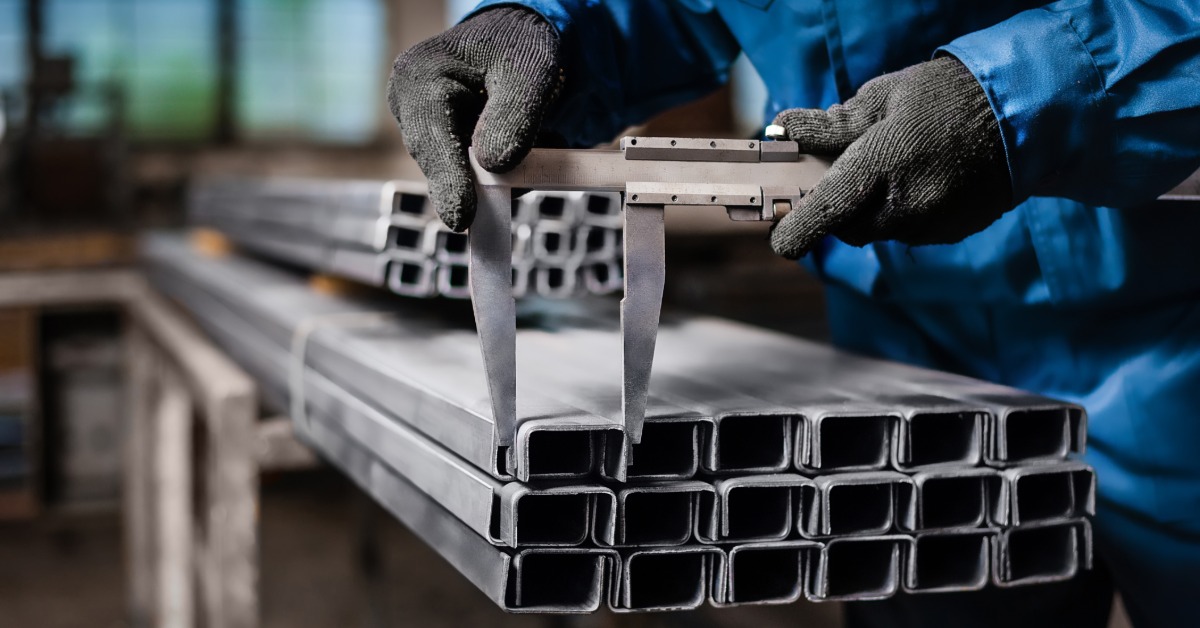
Metal fabrication shops have spent years adding faster machines and more capable software. In 2026, the bigger shift involves how those technologies work together across production.
Automation now reaches further into daily workflows, while artificial intelligence is finding more focused manufacturing uses. Fabricators are also looking for ways to get more value from skilled teams and existing equipment. Those shifts show how technology is reshaping metal fabrication in 2026, with upgrades reaching beyond the machines themselves.
Automation is connecting more of the workflow
Automation isn’t new to metal fabrication. What continues to change is how much of the production process shops can connect.
Fabricators can pair cutting equipment with automated material handling, reducing the manual work involved in moving material through production. Forming and welding also offer more opportunities for automation.
For manufacturers, the appeal goes beyond making one machine faster. Connected systems can reduce unnecessary handling and keep work moving between production stages.
That matters when a shop wants to increase capacity without adding more manual work to an already busy floor.
Still, automation needs a clear purpose. Shops should identify where delays happen and determine whether new equipment actually addresses the problem before investing.
AI is finding more specific manufacturing roles
While artificial intelligence garners widespread attention, metal fabricators have particular reasons to focus on its specialized industrial uses. The National Institute of Standards and Technology issued its 2026 roadmap for AI and machine learning in smart manufacturing, highlighting applications such as robotics and laser-based processes.
AI doesn’t have to dominate an entire production line to impact a fabrication shop; software can help manage manufacturing data or support automated equipment.
However, implementation is crucial—new software must integrate with existing equipment, and employees need enough context to interpret the information it provides. A sophisticated platform is of little value if a shop cannot connect its capabilities to actual production needs.
Robotics is becoming a more flexible option
Robotic welding has a long history in repetitive production. Newer systems give manufacturers more options for bringing robotics into workflows with changing production demands.
Collaborative robots, commonly called cobots, have become part of that conversation. Depending on the application, manufacturers can use robotic systems for repetitive work while employees focus on jobs that require more judgment.
Programming and setup time also deserve attention. A shop that regularly changes parts needs different automation capabilities than an operation that produces the same component repeatedly.
Before investing, manufacturers should ask:
- Does the task create a recurring production bottleneck?
- How frequently does the job or part change?
- Would automation make better use of skilled employee time?
- Can the new system fit the current production workflow?
These questions keep the investment connected to production rather than the novelty of the technology.
Laser systems are fitting into a larger production strategy
Laser cutting remains an important part of metal fabrication technology in 2026. Yet cutting speed tells only part of the story.
Manufacturers also need to consider what happens before material reaches the laser and how efficiently completed parts move forward. Automated material handling can reduce manual movement, while software can help organize jobs and material use.
A fast machine provides limited value if material regularly waits to reach it. The same issue appears when completed parts pile up because the next production stage can’t keep pace.
As a result, fabricators have more reason to evaluate cutting technology within the wider workflow. A worthwhile upgrade should improve production, not just create a faster version of one isolated step.
Connected equipment is giving shops better visibility
Experienced operators remain an important source of knowledge on a fabrication floor. Connected equipment gives those teams more information to work with.
Production systems can collect machine data throughout a shift. Manufacturers can use that information to spot recurring downtime or identify areas where work slows.
More data doesn’t automatically improve production, however. Shops still need to decide which information matters and what employees should do with it.
A dashboard full of numbers provides little value when nobody connects those numbers to a decision. Useful technology should make a production issue easier to identify or manage.
That makes visibility one of the more valuable benefits of connected equipment. Managers can see more of what happens across production without relying on isolated information from individual machines.
Supporting equipment deserves attention too
Technology changes don’t stop at cutting or forming. Manufacturers also rely on equipment that supports preparation and finishing work.
Pickling offers one example. Fabricators and metal processors may use the process to remove scale or other surface contamination before subsequent production work.
Facilities considering custom pickling tank designs need equipment suited to the application and operating conditions. Tank dimensions may also depend on the parts the facility plans to process.
That fits into the larger technology conversation because a capable primary machine can’t solve every bottleneck around it.
Supporting equipment needs to keep pace with production. When manufacturers upgrade major systems, the surrounding processes deserve another look as well. Otherwise, improving one stage may shift the slowdown somewhere else.
New equipment changes workforce needs
Automation doesn’t remove employees from the technology conversation. In many cases, it changes what they need to know.
A shop that adds connected equipment needs people who can operate it confidently. Employees also need enough process knowledge to recognize when a system isn’t producing the expected result.
For that reason, training belongs in the investment discussion. Manufacturers should consider who will operate new equipment and how the technology will affect existing responsibilities.
Those questions can reveal costs that aren’t obvious from an equipment quote.
Automation may also give experienced employees more time for work that requires their expertise. That becomes useful when repetitive tasks take skilled workers away from jobs where their knowledge matters more.
What comes next for metal fabrication
New fabrication technology matters most when it improves everyday production. Faster equipment may grab attention, but manufacturers still need to consider how well a new system fits the shop around it.
The changes taking shape in metal fabrication technology in 2026 give shops more options to improve production. Each investment, however, still needs a reason to earn its place on the floor.
Manufacturers don’t need every new tool that reaches the market. They need equipment and software that fit their workload without creating unnecessary complexity.
As fabrication technology advances, that balance will matter. Shops can stay open to new capabilities while choosing upgrades based on where they will make a meaningful difference.
AD
 Nokomis, IL
 73°F
Feels like 74°F°L: 73° H: 73°
73°F
Feels like 74°F°L: 73° H: 73°
AD

AD
Post comments (0)