



Listeners:
Top listeners:
00:00
00:00
volume_up
chevron_left
-
 play_arrow
Revolution Radio Your home for the best variety of Christian music
-
 play_arrow
Heartland Newsfeed Radio Network Heartland Newsfeed Radio Network
-
play_arrow
Heartland Newsfeed Radio Network (Abovecast Backup) Heartland Newsfeed Radio Network
-
 play_arrow
Home For The Holidays Radio
-
 play_arrow
Democracy Now! 2026-09-08 Tuesday
Masonry restoration challenges in older Midwest buildings
AD
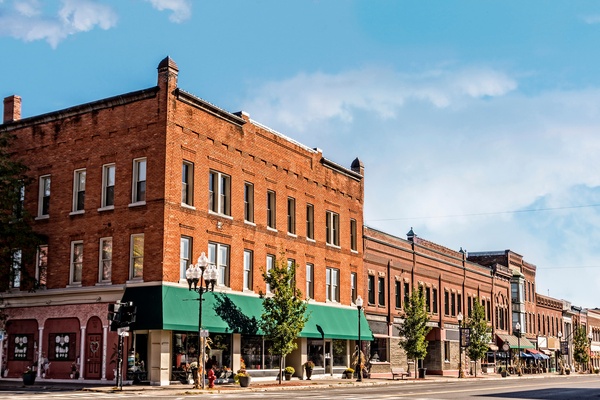
Across the Midwest, older brick buildings carry visible evidence of decades spent through wet springs and freezing winters. Many also contain repairs from different eras, which means restoration crews may encounter several types of mortar or brick within a single wall.
As property owners reinvest in aging commercial and historic structures, these conditions make masonry restoration challenges in older Midwest buildings increasingly relevant across the region.
Restoration involves much more than replacing loose mortar until a façade looks tidy. Crews must determine where moisture enters the structure and how previous work has affected the original materials. A repair that ignores those conditions may create another problem several winters later.
Freeze-thaw damage often starts with moisture
Cold weather often gets the blame for damaged brick, although water usually sets the process in motion. Moisture enters cracks or porous masonry before temperatures fall, and freezing causes that water to expand within the material.
Repeated freeze-thaw cycles can gradually widen existing cracks or cause brick faces to flake. The damage may become especially noticeable around areas where water regularly reaches the wall.
Crews therefore need to investigate moisture sources before focusing on repointing. Failed flashing near a roofline may continually introduce water, while deteriorating joints can give it another route into the wall. Repairing the visible masonry without correcting that moisture path can leave the underlying problem in place.
Historic mortar requires a compatible replacement
A mortar joint may look like the simplest part of a brick wall, yet its composition has a major influence on how older masonry performs.
Many historic buildings contain lime-rich mortar that remains softer and more permeable than some modern mixes. That difference allows the joint to accommodate movement while giving moisture a path out of the wall.
Problems can develop when a repair introduces mortar that’s substantially harder than the surrounding brick. Instead of allowing the joint to take normal weathering, the harder material can transfer stress into the masonry units. Brick faces may eventually crack or spall while the replacement mortar remains relatively intact.
Before repointing begins, crews should evaluate the existing mortar and the brick’s condition. Matching color helps preserve the building’s appearance, while compatible physical properties help the repair function with the original wall.
Past repairs can complicate current restoration
An older façade may contain original joints beside repairs completed decades apart. Those earlier projects can make current restoration considerably harder to plan because each section may respond differently when crews begin removing damaged material.
Some previous repairs may contain hard mortar that has started damaging adjacent brick. Others may consist of shallow patches placed over deteriorated joints, leaving loose material deeper inside the wall.
Crews need enough control during removal to protect the edges of surrounding masonry. Aggressive grinding may save time on a newer wall, yet fragile historic brick can chip when workers cut too close to the units.
The safest method depends on the condition of each section, which means restoration teams may need to adjust their techniques as work progresses across the building.
Drilling calls for control around aging brick
Restoration sometimes requires crews to drill into masonry for anchors or related work. Historic walls can make that process less predictable because brick density may vary between original sections and later repairs.
Selecting the right bit and using controlled pressure helps crews create the opening without unnecessarily stressing the surrounding material. Workers also need to manage heat and clear debris as they drill because excessive resistance can wear tools faster while making the work harder to control.
Good drilling habits can extend the life of a masonry drill bit, especially when crews account for bit wear before forcing a tool through resistant material.
Tool care may sound like a small part of a large restoration project, yet accurate drilling matters when crews work around brick that may already have weakened edges or previous damage.
Replacement brick needs more than a similar color
Finding replacement brick for an older building can become surprisingly complicated once crews start comparing the original units with modern products.
Dimensions may differ from current standards, and surface texture can make a new brick stand out even when its color appears close. Decades of weather exposure can further change the appearance of the original masonry.
Size differences create another concern because a poorly matched unit may force crews to alter the surrounding joint widths. That change can make a repair conspicuous and affect how the new section fits with the existing masonry.
Salvaged units may offer a closer match for some projects, while custom brick can suit buildings with unusual dimensions. Crews still need to consider how the replacement performs alongside the original material rather than choosing by appearance alone.
Parapets can hide extensive moisture problems
Some of the most troublesome masonry deterioration begins above the area where damage eventually becomes visible.
Parapets sit in an exposed position where failed caps or deteriorating joints can allow water to enter from the top. Once inside, moisture may travel through the wall and appear farther down the façade.
Roof edges can create similar problems when flashing no longer directs water away from masonry. A leaking downspout may also keep one section damp long enough for repeated freezing to worsen deterioration.
Crews who trace those moisture paths before repointing have a better chance of addressing the cause rather than repeatedly repairing its visible effects. On an older building, that investigation can influence the scope of work as much as the mortar’s condition.
Cleaning methods can affect future weathering
A stained historic façade may look like an obvious candidate for aggressive cleaning, especially when restoration aims to revive the building’s appearance. Crews still have to consider what the cleaning process will do to the brick after the dirt disappears.
Some abrasive methods can remove the harder exterior surface of older brick and expose a softer interior. That newly exposed material may absorb water more readily, which creates another concern in a climate with regular freezing temperatures.
Chemical cleaning also requires careful selection because masonry materials don’t all react the same way. Testing a small area before treating an entire elevation gives crews a clearer picture of how the surface will respond.
A successful cleaning job should improve the façade without removing sound material that helps the brick withstand future weather exposure.
Hidden damage can change the project after work starts
Exterior inspections provide valuable information, although crews may uncover deeper deterioration only after they begin removing failed mortar or accessing upper sections of a building.
A joint that looks shallow from the surface may contain loose material farther inside. Hard mortar from a previous repair can conceal damaged brick edges, while deterioration around a parapet may appear worse once workers can inspect it up close.
Those findings can change how much repointing or brick replacement the building requires. Property owners may benefit from allowing some flexibility in the restoration scope rather than assuming every condition will appear during the first inspection.
Careful investigation also helps crews avoid removing original material that still performs well. Historic masonry often contains irregularities that show age without indicating structural failure, and preserving sound material can better maintain the building’s original character.
Restoration has to work with the existing building
The toughest masonry restoration issues facing older Midwest buildings often develop where moisture exposure meets repairs from different periods. Winter weather can accelerate existing weaknesses, while incompatible materials may change how a wall handles that stress.
Successful restoration starts with understanding those relationships before crews replace mortar or clean a façade. Contractors need to identify why deterioration occurred and choose materials that can work with the masonry already in place.
Older Midwest buildings have already survived decades of seasonal change. Thoughtful restoration can help them keep doing that without sacrificing sound historic material to make an old wall look new.
AD
 Nokomis, IL
 90°F
Feels like 91°F°L: 90° H: 92°
90°F
Feels like 91°F°L: 90° H: 92°
AD

AD
Post comments (0)