



How Maintenance Helps Protect Heavy Equipment Components
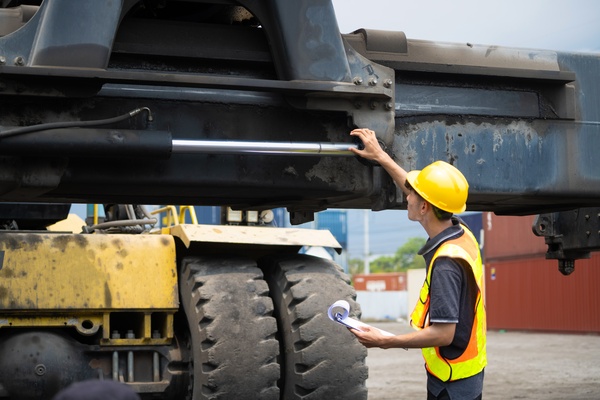
Heavy equipment powers construction sites, mining operations, agriculture, roadwork, and countless infrastructure projects. Every machine faces demanding conditions that challenge engines and structural components every day.
Recent investments in infrastructure and energy projects have also increased equipment utilization across many industries. That growing demand makes routine maintenance more valuable because it protects expensive components while reducing unexpected downtime. When businesses understand how maintenance helps protect heavy equipment components, they can maintain efficiency and avoid safety issues.
Why preventive maintenance matters more than ever
Equipment owners face tighter schedules and higher operating costs than ever before. Delayed repairs often create larger mechanical problems that disrupt productivity and increase expenses.
Preventive maintenance helps identify minor concerns before they develop into major failures. As a result, organizations can keep projects moving while protecting valuable equipment investments.
Modern equipment also contains advanced electronics and computerized monitoring systems that improve efficiency, but require consistent inspections and servicing. Skilled technicians can interpret warning indicators before performance declines significantly.
Which Components require the most attention?
Heavy equipment contains many systems that depend on one another. A problem in one area can quickly affect another component if operators ignore early warning signs. Routine inspections reduce that risk by identifying wear before failures spread throughout the machine. Consistent attention keeps every major system working together efficiently.
Several components deserve regular evaluation because they experience constant stress during operation.
- Hydraulic hoses, cylinders, and pumps for leaks or pressure loss
- Engine belts and cooling systems for proper performance
- Undercarriage components for excessive wear and alignment issues
- Bearings, pins, bushings, and pivot points for movement and stability
- Electrical wiring and battery connections for dependable power
- Tires or tracks for damage and uneven wear
These inspections require little time compared with major repairs and provide valuable insight into the overall condition of the equipment. Small adjustments today often prevent expensive replacements tomorrow. Maintenance records also help technicians recognize recurring patterns before they become larger problems.
How lubrication reduces component wear
Excessive friction during equipment operation can accelerate wear throughout the machine, leading to a shorter lifespan and unsafe working conditions. Proper lubrication creates a protective barrier that reduces direct metal-to-metal contact, allowing components to last much longer.
Many maintenance professionals continue emphasizing the importance of regularly lubricating heavy equipment because lubrication affects nearly every major mechanical system. Fresh lubricant protects bearings and other high-friction components from premature wear. It also helps remove contaminants that could damage precision surfaces.
Choosing the correct lubricant also matters. Different operating temperatures and equipment designs require specific products for maximum protection. Maintenance teams should always follow manufacturer recommendations for grease types and service intervals.
How daily inspections prevent costly repairs
Daily inspections often reveal problems before operators even start the engine. A quick walk-around allows crews to identify fluid leaks, damaged hoses, or worn tracks. Addressing these issues immediately reduces the likelihood of unexpected breakdowns during operation. That simple routine often saves many hours of repair work later.
Operators should also monitor equipment performance throughout each shift. Unusual noises, excessive vibration, or warning lights often signal developing mechanical issues. Reporting these concerns immediately allows technicians to investigate before additional damage occurs. Fast communication strengthens every preventive maintenance program.
Weather conditions also influence inspection priorities. Heat, freezing temperatures, dust, mud, and heavy rainfall create different maintenance challenges throughout the year. Seasonal inspections help equipment remain dependable despite changing environmental conditions. That flexibility becomes especially valuable as weather patterns continue creating operational challenges across many regions.
Using technology to improve maintenance decisions
Technology continues changing heavy equipment maintenance across many industries. Modern machines collect operating data that helps technicians evaluate equipment health more accurately. Sensors monitor engine performance and other critical measurements throughout daily operations. Those insights support faster maintenance decisions before failures occur.
Telematics systems also allow fleet managers to monitor multiple machines from one location. Maintenance schedules become easier to organize because service intervals rely on actual equipment usage instead of estimates. Predictive maintenance reduces unnecessary servicing while helping technicians address genuine concerns earlier. That balanced approach improves efficiency without sacrificing reliability.
Training operators protects equipment
Even the best maintenance program depends on knowledgeable equipment operators. Proper training helps operators recognize early warning signs before damage becomes severe. They also understand correct startup procedures and shutdown routines. Good operating habits reduce unnecessary stress on expensive components every day.
Operators should never ignore unusual sounds or changing machine behavior. Immediate reporting gives maintenance teams valuable time to investigate developing issues. That partnership between operators and technicians strengthens the entire maintenance process. Strong communication ultimately protects both equipment and productivity.
Refresher training also benefits experienced operators. Manufacturers frequently introduce updated technologies, controls, and maintenance recommendations with newer equipment models. Ongoing education ensures operators continue using equipment correctly throughout its service life. Continuous improvement supports safer and more efficient operations.
Building a maintenance plan that delivers results
An organized maintenance schedule creates consistency across every piece of equipment. Service intervals should follow manufacturer recommendations while accounting for actual working conditions. Machines operating in extreme environments often require more frequent inspections and servicing. Adjusting maintenance schedules to match real-world conditions improves long-term performance.
Documentation also plays an important role in successful maintenance planning. Service records, inspection reports, repair histories, and operating hours provide valuable information for future decisions.
Organized records help maintenance teams prioritize work based on equipment condition rather than assumptions. Better planning reduces unnecessary downtime and unexpected repair costs.
Successful maintenance programs also include regular evaluations. Managers should review equipment performance and maintenance expenses throughout the year. Continuous evaluation keeps maintenance strategies aligned with changing operational demands while improving business procedures.
Long-term maintenance protects your investment
Heavy equipment represents one of the largest investments many organizations make. Protecting heavy-duty construction equipment with proper maintenance requires consistent attention rather than reactive repairs after failures occur. Each maintenance task strengthens the overall reliability of the equipment.
Current industry trends continue emphasizing equipment availability and cost control. Organizations that prioritize preventive maintenance position themselves to meet growing project demands with greater confidence. Reliable machines complete more work while reducing costly interruptions. Over time, a disciplined maintenance program protects critical components and supports safer, more productive operations.


 Nokomis, IL
 84°F
Feels like 86°F°L: 84° H: 86°
84°F
Feels like 86°F°L: 84° H: 86°


Post comments (0)