




Listeners:
Top listeners:
00:00
00:00
volume_up
chevron_left
-
 play_arrow
Revolution Radio Your home for the best variety of Christian music
-
 play_arrow
Heartland Newsfeed Radio Network Heartland Newsfeed Radio Network
-
play_arrow
Heartland Newsfeed Radio Network (Abovecast Backup) Heartland Newsfeed Radio Network
-
 play_arrow
Home For The Holidays Radio
-
 play_arrow
How Do Other Countries do Healthcare? Andrew Heaton, Sally Primus
How To Extend the Lifespan of a Conveyor Belt
AD
Conveyor belts keep products, raw materials, and packages moving through farms, warehouses, plants, mines, and distribution centers. When a belt fails, crews lose time, equipment sits idle, and small maintenance oversights can turn into costly disruptions.
Conveyor belt longevity starts with daily operating habits, not emergency repairs. Teams that control tension, loading, cleaning, tracking, and splice quality give belts a better chance to perform safely for years. Keep reading to learn how to extend the lifespan of a conveyor belt.
Start With Proper Belt Tension
A belt needs enough tension to move material without slipping, but excessive tension strains the belt carcass, pulleys, bearings, and splice. Operators should follow manufacturer specifications and adjust tension after installation, repairs, or major changes in load.
Loose belts can slip, generate heat, and damage the belt surface. Over-tightened belts can stretch prematurely, weaken the splice, and create uneven wear across the system.
Keep the Conveyor Clean
Material buildup creates friction, mistracking, and premature surface damage. Dust, grain, aggregate, packaging debris, and other residue can collect around pulleys, rollers, skirting, and return areas, where it pushes the belt out of alignment.
Crews should clean the conveyor during planned maintenance windows and address carryback before it hardens or spreads. Clean components help the belt move smoothly and reduce strain on the drive system.
Load Material Evenly
Impact damage shortens belt life quickly. When material drops from too high, lands off-center, or strikes the belt in heavy bursts, the belt absorbs unnecessary stress.
Chutes, impact beds, skirting, and transfer points should guide material toward the center of the belt. Consistent loading protects the belt surface, improves tracking, and reduces edge wear.
Inspect Tracking and Edge Wear
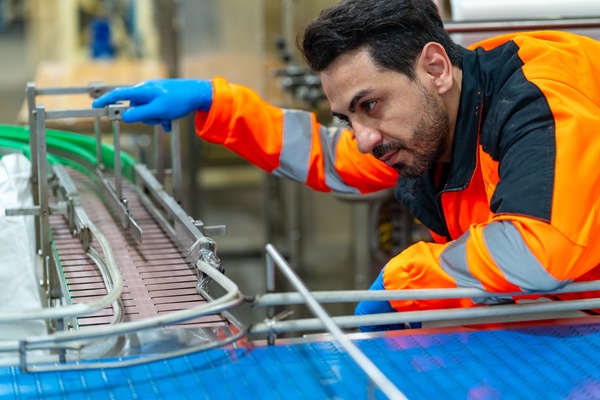
Another way to extend the lifespan of a conveyor belt is by assessing the tracking and edge wear. Mistracking can cut into the edge, fray the fabric, damage rollers, and force crews into repeated adjustments.
Maintenance teams should inspect tracking during operation and look for uneven wear, rubbing, lifted edges, or material buildup. Correcting alignment early helps prevent sudden breakdowns.
Treat Splicing as a Critical Maintenance Step
Conveyor belt splicing is important because the splice carries the same load, tension, and abrasion as the rest of the belt. A weak splice can create a stress point that leads to tearing, mistracking, and unplanned downtime. Teams should match the splice method to the belt type, operating environment, pulley size, and material load.
Replace Worn Components Before They Damage the Belt
A belt does not work alone. Worn idlers, seized rollers, damaged pulleys, and failing scrapers can harm the belt even when the belt itself remains in fair condition.
Routine inspections should include the full conveyor system, not just the belt surface. Replacing a small component early can prevent belt gouging, stretching, or misalignment later.
Small Maintenance Choices Add Up
A longer-lasting conveyor belt comes from consistent care across the whole system. Proper tension, clean components, centered loading, accurate tracking, strong splicing, and timely component replacement all reduce avoidable stress.
When teams address small problems early, they improve reliability, protect workers, and keep material moving with fewer interruptions.
AD
 Nokomis, IL
 61°F
Feels like 61°F°L: 61° H: 62°
61°F
Feels like 61°F°L: 61° H: 62°
AD

AD