


Listeners:
Top listeners:
00:00
00:00
volume_up
chevron_left
-
 play_arrow
Revolution Radio Your home for the best variety of Christian music
-
 play_arrow
Heartland Newsfeed Radio Network Heartland Newsfeed Radio Network
-
play_arrow
Heartland Newsfeed Radio Network (Abovecast Backup) Heartland Newsfeed Radio Network
-
 play_arrow
Home For The Holidays Radio
-
 play_arrow
How Do Other Countries do Healthcare? Andrew Heaton, Sally Primus
What Shoppers Should Know About Raw Honey Texture Changes
AD
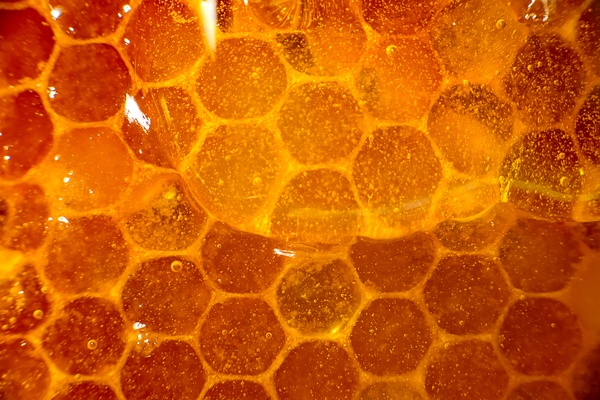
Raw honey can surprise shoppers after a jar sits for days. One week it pours smoothly. Later, it looks cloudy and thick enough to spread with a spoon.
That shift can make a good jar look questionable. Yet raw honey texture changes shoppers should know about usually have more to do with natural crystallization than spoilage. A little knowledge of texture can help shoppers waste less and feel better about the honey they bring home.
Why a Smooth Jar Turns Grainy
Honey contains natural sugars. Over time, glucose can separate and form small crystals. Those crystals change the texture from liquid to cloudy or spreadable. That process happens in many jars, especially when the honey stays in a cool cabinet. The change may look strange, but it does not automatically mean the honey has gone bad.
A sweet smell usually indicates pure honey. A sharp, fermented smell deserves more caution. The jar may need patience at home instead of a replacement later.
Why Raw Honey Changes Faster
Raw honey keeps more of its natural character. Tiny particles from the hive or the floral source can provide a surface for crystals to form. The nectar source also matters. Some honey varieties thicken sooner because their sugar balance encourages crystals. Other varieties stay liquid longer.
Storage plays a role as well. A tightly closed jar protects the honey from extra moisture. A cooler shelf may speed up crystallization, while gentle warmth can help soften the texture.
How Shoppers Can Check a Jar
A quick look can answer a lot before anyone tosses good honey.
- Check that the lid stays sealed.
- Watch for foam near the top.
- Smell the honey before using it.
- Warm the jar gently if you want liquid honey again.
Warm water works better than harsh heat. Place the closed jar in a bowl of warm water and give it time. That gentle method helps loosen crystals without making the honey taste flat.
Why Texture Matters at the Store
Texture can affect how shoppers judge value. A cloudy jar may sit on the shelf longer if people mistake crystallization for poor quality. Clearer labels can help. A short note that raw honey may crystallize naturally gives shoppers a reason to trust the product rather than second-guess it.
That matters when grocery costs already make people more selective. Shoppers want fewer surprises, especially with items they expect to last.
What Bulk Buyers Should Notice
Texture changes matter beyond a single pantry jar. Small food brands and café owners may use raw honey in larger quantities. When honey thickens, it can affect pouring routines and storage choices.
When honey thickens, bulk buyers may need to warm it gently before pouring or portioning it. A better grasp of crystallization in raw honey can help them handle the change without wasting good honey or slowing down prep.
A Better Way to Read the Jar
The best raw honey texture changes shoppers should know about come down to context. Cloudiness can signal natural crystals. A gritty spoonful may still taste sweet and work well in tea or baking.
Raw honey does not always stay glossy. That honest texture can become part of its appeal once shoppers know what they see.
AD
 Nokomis, IL
 61°F
Feels like 61°F°L: 61° H: 62°
61°F
Feels like 61°F°L: 61° H: 62°
AD

AD