




Listeners:
Top listeners:
00:00
00:00
volume_up
chevron_left
-
 play_arrow
Revolution Radio Your home for the best variety of Christian music
-
 play_arrow
Heartland Newsfeed Radio Network Heartland Newsfeed Radio Network
-
play_arrow
Heartland Newsfeed Radio Network (Abovecast Backup) Heartland Newsfeed Radio Network
-
 play_arrow
Home For The Holidays Radio
-
 play_arrow
How Do Other Countries do Healthcare? Andrew Heaton, Sally Primus
Packaging Considerations for Lightweight Plastic Bottles
AD
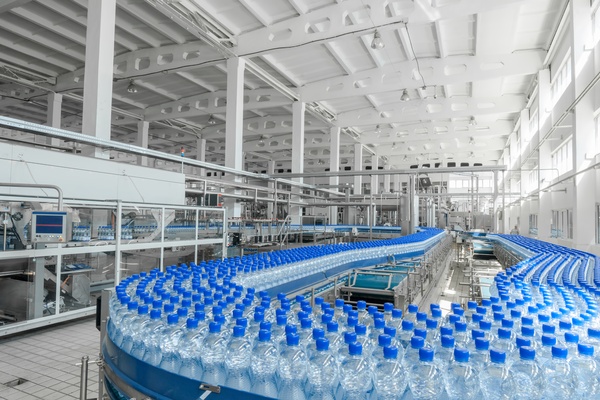
Lightweight plastic bottles have changed the way beverage, household, and consumer goods companies think about packaging. By reducing material use, brands can lower shipping weight, conserve resin, and move products through supply chains more efficiently. Those advantages matter, but they also create new pressure on packaging design, pallet configuration, and load stability.
For distributors, retailers, and manufacturers, these plastic bottles require more than a lighter container. They demand a full review of how the product moves from production lines to warehouses, trucks, shelves, and customers. Below, we’ll outline some of the key packaging considerations for lightweight plastic bottles.
Why Bottle Weight Changes Packaging Performance
A heavier bottle gives a package more built-in structure. When companies reduce plastic, the bottle wall becomes thinner and more flexible. That change can affect how bottles respond to compression, vibration, and side pressure during handling.
The issue becomes more visible at pallet scale. One bottle may flex without creating concern, but hundreds or thousands of bottles stacked together can shift weight unevenly. If the lower layers compress or the upper layers move, the pallet may lean, bulge, or lose its clean shape before it reaches its destination.
Secondary Packaging Carries More Responsibility
Lightweighting rarely affects only the bottle. Many companies also reduce corrugated trays, pads, dividers, and multipack materials. Each reduction removes some support from the full unit load.
That means secondary packaging must work as part of a larger system. Tray depth, corrugated strength, cap alignment, bottle shape, and layer pattern all influence performance. A package that looks stable on the production floor may react differently after forklift movement, trailer vibration, or repeated loading and unloading.
Stretch Wrapping Needs Precise Control
Stretch wrapping is another consideration when packaging lightweight plastic bottles. Stretch film stabilizes lighter loads and must hold products together without crushing bottles or distorting trays.
The challenges of stretch wrapping lightweight plastic bottles are that too little force can allow movement, while too much force can damage the package. The thinner trays, lighter corrugated pads, and film-only multipacks also affect the loading of plastic bottles. A consistent, reliable stretch wrapping system is key to protecting plastic bottles in transit.
Transportation Can Expose Weak Points
A pallet faces more stress outside the facility than it does at the end of the line. Trucks create vibration, turns, braking forces, and uneven movement. Distribution centers may also break down pallets, rebuild mixed loads, and send products through another handling cycle.
These conditions can reveal small weaknesses in bottle design or load configuration. A slight shift in one layer can transfer pressure across the pallet. Once the load loses alignment, retail presentation and receiving efficiency can suffer.
Regular Testing Supports Better Decisions
Packaging teams should test their bottles under real handling conditions, not only in static warehouse checks. Drop tests, vibration simulation, clamp testing, and transport trials can show how the full system performs.
As material reduction continues across consumer packaging, companies must treat bottle design, secondary packaging, pallet layout, and wrapping as connected decisions. A lighter package succeeds when it protects the product, travels cleanly, and arrives ready for the shelf.
AD
 Nokomis, IL
 61°F
Feels like 61°F°L: 61° H: 62°
61°F
Feels like 61°F°L: 61° H: 62°
AD

AD