




Listeners:
Top listeners:
00:00
00:00
volume_up
chevron_left
-
 play_arrow
Revolution Radio Your home for the best variety of Christian music
-
 play_arrow
Heartland Newsfeed Radio Network Heartland Newsfeed Radio Network
-
play_arrow
Heartland Newsfeed Radio Network (Abovecast Backup) Heartland Newsfeed Radio Network
-
 play_arrow
Home For The Holidays Radio
-
 play_arrow
How Do Other Countries do Healthcare? Andrew Heaton, Sally Primus
Why Accessibility Skills Matter in Daily Routines
AD
Accessibility skills matter for daily routines, as they help people manage them with greater independence and confidence. These skills support mobility and personal safety throughout the day. People who understand accessibility tools often complete tasks faster and with less frustration. Families and caregivers also benefit because routines become smoother and more predictable.
A person who understands adaptive kitchen tools can prepare meals safely and efficiently. Someone who learns navigation techniques can move through public spaces with less stress.
Accessibility Encourages Greater Independence
Daily routines often involve small actions that require planning and coordination. Accessibility skills help people handle these tasks without constant assistance from others. People who develop adaptive strategies can grocery shop, travel, clean, and manage appointments more effectively. Consistent practice turns these skills into dependable habits.
Many individuals also benefit from learning how to adjust environments for easier use. Rearranging furniture can improve mobility inside the home. Voice-controlled technology can simplify communication and entertainment. Small adjustments often reduce physical strain and increase comfort during daily activities.
Mobility Skills Improve Daily Safety
Safe movement plays an important role in personal independence. People who understand mobility techniques reduce their chances of injuries and unnecessary fatigue. Proper training also helps individuals feel more secure in busy public spaces. Confidence often grows when movement becomes easier and more predictable.
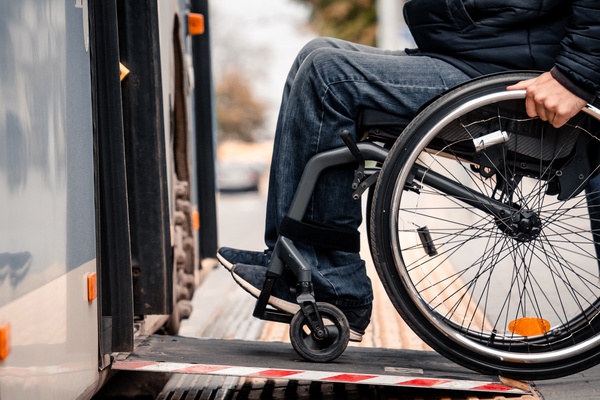
Many rehabilitation specialists emphasize the value of practicing mobility skills regularly. For example, discussions of basic wheelchair skills for new wheelchair users often focus on safely navigating ramps and uneven surfaces. These practical techniques improve daily movement inside homes and public buildings. Strong mobility habits also reduce stress during errands and appointments.
Communication Skills Support Social Participation
Accessibility involves more than physical movement. Communication skills help people participate fully in conversations, work settings, and community activities. Assistive technology such as speech-to-text software and screen readers supports clearer interaction throughout the day. These tools help many individuals stay connected with their loved ones.
Strong communication access also improves emotional well-being. People often feel more included when they can express their needs clearly and participate in discussions confidently. Access to skills reduces misunderstandings and improves cooperation during group activities. Better communication creates stronger relationships in both personal and professional settings.
Helpful Accessibility Habits for Daily Life
Many accessibility skills fit naturally into regular routines. Small adjustments often produce noticeable improvements in comfort and efficiency. People who practice these habits consistently usually experience fewer daily obstacles. Organized environments also support smoother routines.
- Keep commonly used items within easy reach
- Use labeled storage containers for faster organization
- Practice safe transfer and mobility techniques daily
- Adjust lighting to improve visibility and reduce strain
- Test assistive devices regularly for proper function
These habits support consistency and reduce unnecessary frustration. Regular practice also helps people adapt more quickly to changing situations. Small improvements often create lasting benefits over time.
Consistent Practice Creates Long-Term Success
Accessibility skills require regular use and ongoing improvement. People often gain confidence through repetition and practical experience. Daily routines provide opportunities to strengthen problem-solving abilities and adaptive techniques. Small successes encourage continued growth and independence.
Long-term success often depends on patience and consistency. Learning accessibility skills that improve daily routines takes time, but steady progress creates meaningful results. Accessibility skills support safer movement and greater independence throughout everyday life. These abilities help people participate more fully in work, relationships, and community activities.
AD
 Nokomis, IL
 61°F
Feels like 61°F°L: 61° H: 61°
61°F
Feels like 61°F°L: 61° H: 61°
AD

AD