



Listeners:
Top listeners:
00:00
00:00
volume_up
chevron_left
-
 play_arrow
Revolution Radio Your home for the best variety of Christian music
-
 play_arrow
Heartland Newsfeed Radio Network Heartland Newsfeed Radio Network
-
play_arrow
Heartland Newsfeed Radio Network (Abovecast Backup) Heartland Newsfeed Radio Network
-
 play_arrow
Home For The Holidays Radio
-
 play_arrow
How Do Other Countries do Healthcare? Andrew Heaton, Sally Primus
Routine driveline maintenance to prevent equipment failure
AD
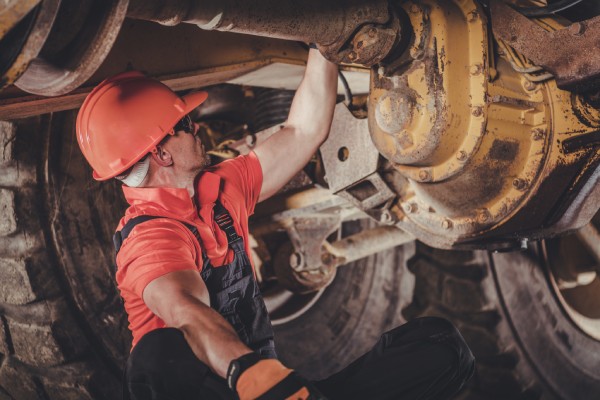
Heavy equipment failure begins with unnoticed minor mechanical issues. Drivelines operate under intense loads and extreme temperatures. Without consistent inspections and care, breakdowns are more likely to occur. Routine driveline maintenance is the best way to prevent equipment failure.
Focus on High-Risk Components
Universal joints, splines, and bearings degrade with time. Dust, debris, and vibration accelerate this process. Regular lubrication helps reduce friction, but grease alone doesn’t protect against misalignment or metal fatigue. Early signs of wear—such as vibrations and clunking sounds—prompt immediate inspection.
Evaluate the driveshafts for alignment and balance. Warped or unbalanced shafts increase load on connected parts. The pressure spreads to gearboxes, differentials, and brake systems.
Align Maintenance With Operating Conditions
Sites with steep grades, heavy payloads, or irregular terrain create extra strain. High humidity and fine dust corrode and contaminate driveline components. Maintenance schedules should reflect actual usage, not just time intervals.
Some fleets require weekly checks, while others may function well on a monthly schedule. Inspection frequency depends on duty cycle and environmental exposure. Consistency is more effective than overhauls after failure. Short, routine assessments prevent the buildup of stress across components.
The Value of Driveline Cleanliness
Contaminants shorten the part’s lifespan. Seals and boots around joints need to stay intact to protect moving parts. Cracks or gaps allow dirt and water inside, which quickly leads to internal corrosion. High-pressure cleaning without care can worsen this by forcing grit deeper into sensitive areas.
Dry brushing, low-pressure rinsing, and targeted degreasing provide safer options. Cleaning should focus on accessibility without dismantling unless necessary. Inspection becomes easier when components are clean, making problems more visible.
When Replacement Is Better Than Repair
Some worn driveline components don’t benefit from rebuilding. Metal fatigue, heat damage, or worn splines may appear minor, but they aren’t reliable. Replacing old parts with upgraded alternatives improves durability.
In some cases, upgrading to high-performance driveline parts reduces the frequency of future failures. These components use improved materials and tighter tolerances. They support smoother operation and reduce stress on surrounding systems. While upfront costs are higher, long-term savings justify the investment.
Extend Equipment Life with Consistency
Consistent maintenance reduces downtime and preserves equipment value. It also promotes safer operation by lowering the chances of failure during use. Even small issues in the driveline affect load transfer, control, and stopping distance.
Routine driveline maintenance to prevent equipment failure offers a direct way to improve reliability without major system overhauls. When inspections, lubrication, and cleaning become standard practice, equipment stays productive longer. Better-performing driveline systems lead to smoother shifts, fewer delays, and decreased safety risks in the field.
AD
 Nokomis, IL
 60°F
Feels like 60°F°L: 60° H: 60°
60°F
Feels like 60°F°L: 60° H: 60°
AD

AD