




Listeners:
Top listeners:
00:00
00:00
volume_up
chevron_left
-
 play_arrow
Revolution Radio Your home for the best variety of Christian music
-
 play_arrow
Heartland Newsfeed Radio Network Heartland Newsfeed Radio Network
-
play_arrow
Heartland Newsfeed Radio Network (Abovecast Backup) Heartland Newsfeed Radio Network
-
 play_arrow
Home For The Holidays Radio
-
 play_arrow
How Do Other Countries do Healthcare? Andrew Heaton, Sally Primus
4 Ways To Make the Construction Industry More Sustainable
AD
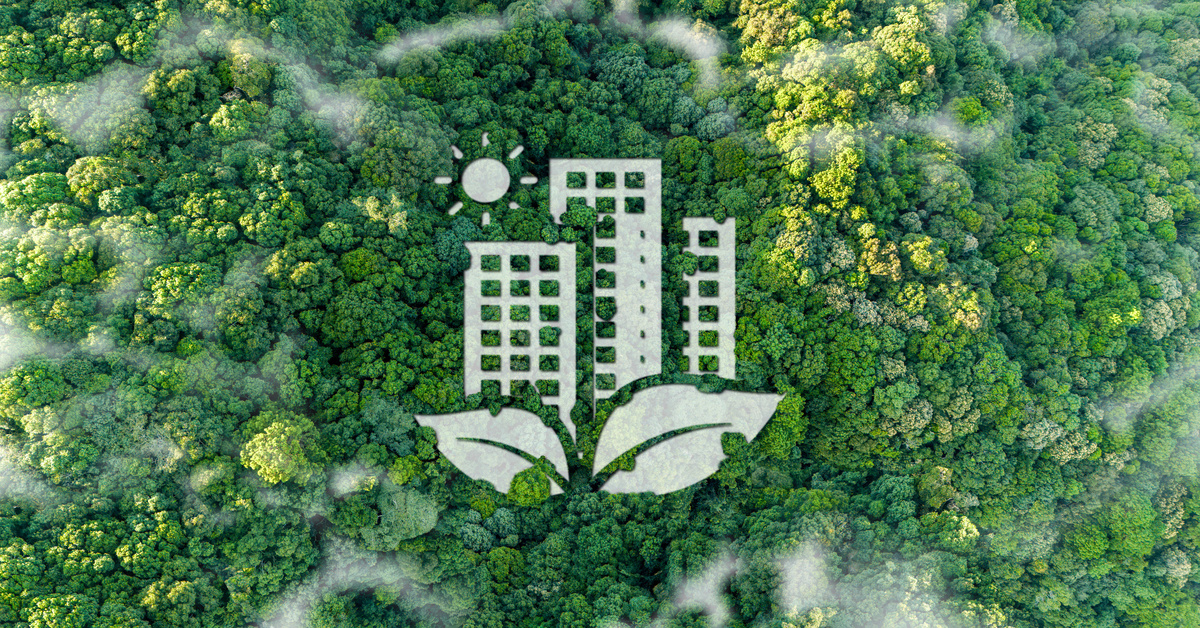
The construction sector shapes the very world we live in, building the homes, workplaces, and infrastructure we use. Behind the impressive skylines and structures lies a pressing challenge: the significant environmental impact.
The industry has long grappled with environmental destruction, from consuming resources to generating waste. Here are four ways to make the construction industry more sustainable.
Prioritize Local Sourcing
One of the simplest yet most impactful ways to make the construction industry more sustainable is by prioritizing local sourcing. Local materials support nearby businesses, strengthen the regional economy, and reduce the environmental toll of transportation.
Shipping materials over long distances increases fuel consumption and greenhouse gas emissions. By choosing local suppliers and manufacturers, construction leaders can minimize carbon outputs while supporting business owners in the area.
Enforce Sustainable Transportation Practices
Transport plays a role in the environmental impact of construction. Enforcing sustainable transportation practices is key to reducing it. This includes planning efficient routes to reduce fuel usage, investing in hybrid or electric vehicles for deliveries, and utilizing shared transportation options for workers commuting to and from sites.
The introduction of innovative technologies, such as GPS tracking and route optimization software, can streamline logistics and minimize energy consumption. Promoting carpooling or collaborating with public transport systems could further decrease the carbon footprint associated with construction activities.
Build With Upcycling and Recycling in Mind
The principles of upcycling, recycling, and adaptive reuse have the potential to transform resource management in the construction industry. By creatively repurposing materials that might otherwise be discarded—salvaged wood, old bricks, or scrap metal—project managers can reduce landfill contributions while minimizing the need to extract new raw materials.
Recycling extends the lifecycle of materials already in use and lowers costs. For example, crushed concrete from demolished buildings can become road bases, and reclaimed wood can find a second life in new structures.
Additionally, adaptive reuse in construction involves repurposing entire buildings or structural elements, preserving their existing frameworks and reducing demolition waste. This approach not only conserves materials but also breathes new life into old spaces.
Use Eco-Friendly Materials When Possible
While eco-friendly materials aren’t always readily or easily available, the best way to make the construction industry more sustainable is to use these materials when you have the opportunity. Traditional materials like concrete and steel come with heavy environmental costs, but alternatives such as bamboo, recycled steel, or low-carbon concrete are gaining traction.
These materials have comparable strength and versatility while being far kinder to the planet. Additionally, materials certified by organizations, such as Leadership in Energy and Environmental Design (LEED), meet sustainability standards.
By adopting innovative technologies, prioritizing eco-friendly materials, and adhering to sustainable building practices, we can redefine what progress looks like and preserve resources for the future.
AD
 Nokomis, IL
 63°F
Feels like 63°F°L: 63° H: 65°
63°F
Feels like 63°F°L: 63° H: 65°
AD

AD