




Listeners:
Top listeners:
00:00
00:00
volume_up
chevron_left
-
 play_arrow
Revolution Radio Your home for the best variety of Christian music
-
 play_arrow
Heartland Newsfeed Radio Network Heartland Newsfeed Radio Network
-
play_arrow
Heartland Newsfeed Radio Network (Abovecast Backup) Heartland Newsfeed Radio Network
-
 play_arrow
Home For The Holidays Radio
-
 play_arrow
How Do Other Countries do Healthcare? Andrew Heaton, Sally Primus
How concrete structures shape the entire landscape
AD
Concrete has the unique ability to transform outdoor spaces, combining strength and design to redefine the landscape. For construction workers, contractors, and architects, concrete is a tool for precision and creativity. How concrete structures shape the entire landscape lies in their ability to combine durability with elegance, resulting in outdoor environments that are functional, safe, and visually cohesive.
The structural power of concrete
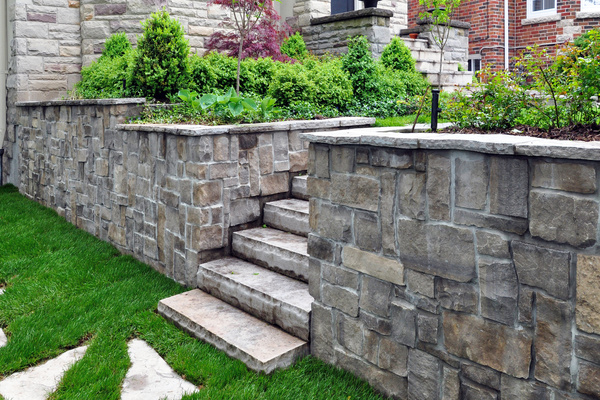
Concrete plays an undeniable role as the foundation of modern construction. Its unmatched strength and adaptability make it indispensable for a variety of applications, from simple walkways to retaining walls that stabilize the terrain.
Whether it’s enhancing a residential patio or creating pathways for commercial properties, concrete is a trusted choice due to its resilience to weather and wear. With the right mix, finish, and design, it becomes a seamless part of landscapes that demand both utility and aesthetics.
Retaining walls and freestanding walls
Walls serve a dual role in landscapes, offering structural integrity while enhancing visual flow. Understanding the differences between retaining walls and freestanding walls plays a key role in construction planning, helping align each structure with the landscape’s needs.
Retaining walls hold back soil to create new ground levels. They support slopes, manage elevations, and enable robust water drainage. Freestanding walls frame spaces by defining boundaries or adding focal points. Their aesthetic value lies in their ability to blend with gardens, courtyards, or patios. This distinction highlights how concrete structures shape the entire landscape, influencing both form and function.
Maximizing property landscape functionality
Concrete has a remarkable capacity to make outdoor spaces more functional. It creates usable square footage in areas that would otherwise be wasted, ensuring properties fulfill their potential. Concrete not only facilitates better accessibility but also integrates cleverly with water flow management, preventing erosion and ensuring safety.
For contractors and architects, placing concrete effectively ensures long-term value and enhances the user experience within these spaces.
Enhancing landscape aesthetics with durability
Concrete’s role in construction is far greater than simply filling a structural gap. It shapes, supports, and transforms outdoor spaces into cohesive, sophisticated environments. Whether stabilizing a challenging slope or creating a graceful walkway, the attention to engineering and design ensures durability and beauty.
Land clearing, grading, material hauling, and proper water drainage amplify the impact of every concrete element. These supporting services ensure cohesion and longevity, guaranteeing that concrete additions deliver sustained effectiveness.
Architects, contractors, and construction professionals can rely on concrete-based solutions to build landscapes that combine functionality with elegance.
AD
 Nokomis, IL
 65°F
Feels like 65°F°L: 65° H: 68°
65°F
Feels like 65°F°L: 65° H: 68°
AD

AD