



Listeners:
Top listeners:
00:00
00:00
volume_up
chevron_left
-
 play_arrow
Revolution Radio Your home for the best variety of Christian music
-
 play_arrow
Heartland Newsfeed Radio Network Heartland Newsfeed Radio Network
-
play_arrow
Heartland Newsfeed Radio Network (Abovecast Backup) Heartland Newsfeed Radio Network
-
 play_arrow
Home For The Holidays Radio
-
 play_arrow
How Do Other Countries do Healthcare? Andrew Heaton, Sally Primus
Lifestyle Changes: How To Begin Living as a Minimalist
AD
For many people, daily life feels increasingly cluttered. Overpacked schedules, crowded living spaces, and constant digital noise have made it harder to focus and unwind. As a result, more individuals are looking for practical ways to simplify their routines and regain a sense of control. That shift has led to growing interest in how to become a minimalist, not as a trend but as a realistic way to reduce stress and live more intentionally.
Start by Clearing Physical Clutter
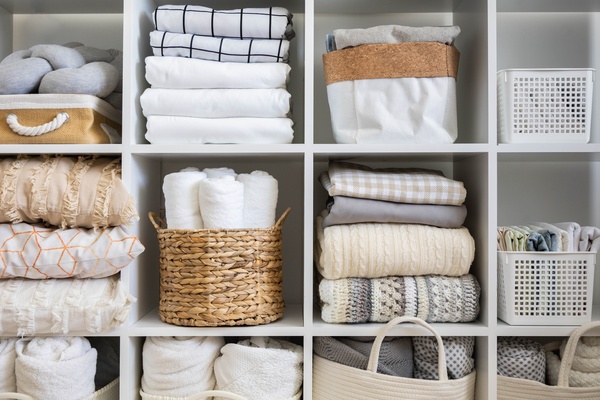
Removing excess from your living space is often the most practical starting point. Clutter is not just visual. It creates friction in everyday tasks, whether that is searching for items, managing storage, or simply trying to relax in a crowded environment.
Instead of approaching it as a full reset, it is more effective to target areas that interrupt your routine. A cluttered kitchen counter, an overfilled closet, or a disorganized entryway tends to have a daily impact. Addressing these high-use spaces first leads to immediate, noticeable improvements, making the process feel useful rather than overwhelming.
Build a Capsule Wardrobe Around Essentials
Minimalism has also reshaped how people think about clothing, shifting the focus from quantity to consistency, instead of constantly adding new pieces, a capsule wardrobe centers on a smaller collection of items that work together without effort, reducing the need to overthink daily decisions.
When you build your wardrobe, prioritize timeless pieces you can wear anytime. For instance, denim is a staple in every wardrobe because it offers flexibility across seasons and occasions while remaining durable. Centering a wardrobe around reliable staples reduces decision fatigue and helps maintain a clean, functional closet.
Simplify Your Daily Routines
Minimalism is not just about owning less. It is about reducing the number of decisions and obligations that fill your day. Clutter shows up in schedules the same way it does in physical spaces, through unnecessary tasks, constant distractions, and habits that do not serve a clear purpose.
Simplifying your routines means actively removing what is not essential. That might look like cutting back on low-value commitments, limiting time spent on passive activities like scrolling, or consolidating tasks so your day is not fragmented. The goal is to do less, with more intention, so your time reflects what actually matters.
Be Intentional About What You Bring In
You can also adopt a minimalistic lifestyle by bringing things into your space with intention. If you don’t have a shift in consumption habits, even the most successful decluttering effort eventually reverses itself.
Instead of reacting to impulse or convenience, the focus shifts to long-term usefulness and consistency. Items that serve multiple purposes or genuinely replace something you already own tend to add value, while one-off purchases often add noise. Minimalism is not about having less for the sake of it, but about making room for what actually matters.
Similar posts
AD
 Nokomis, IL
 61°F
Feels like 61°F°L: 61° H: 61°
61°F
Feels like 61°F°L: 61° H: 61°
AD

AD