




Listeners:
Top listeners:
00:00
00:00
volume_up
chevron_left
-
 play_arrow
Revolution Radio Your home for the best variety of Christian music
-
 play_arrow
Heartland Newsfeed Radio Network Heartland Newsfeed Radio Network
-
play_arrow
Heartland Newsfeed Radio Network (Abovecast Backup) Heartland Newsfeed Radio Network
-
 play_arrow
Home For The Holidays Radio
-
 play_arrow
Democracy Now! 2026-09-04 Friday
Broadband infrastructure takes center stage in 2026
AD
Broadband expansion has moved from background policy talk to front-page infrastructure news in 2026. Communities now treat faster internet access as a core public need, not a luxury perk for people who enjoy buffering-free cat videos. As homes, schools, hospitals, and businesses demand stronger connections, broadband planning has become a major priority for local leaders.
The shift reflects a larger reality: digital access now influences economic growth, public safety, education, and healthcare delivery. Reliable broadband helps small businesses compete, supports remote work, and keeps rural communities connected to essential services. In 2026, infrastructure conversations increasingly start with one question: who still lacks dependable access? Broadband infrastructure takes center stage to answer the unknowns.
Why broadband now drives local planning
City and county officials increasingly view broadband as essential infrastructure. Roads, water lines, and power grids still matter, but internet connectivity now supports nearly every public and private service. Without reliable broadband, communities struggle to attract employers, support students, and deliver modern healthcare access.
Public agencies also rely on strong networks for emergency response. Dispatch systems, traffic monitoring, weather alerts, and municipal operations all require dependable connectivity. When broadband fails, public services can slow down at the worst possible moment.
Rural communities push for faster progress
Rural areas remain a major focus in broadband expansion efforts. Many households still face limited provider options, slower speeds, or unstable service during peak usage times. That gap creates challenges for families, farms, schools, and local businesses that need consistent digital access.
Local leaders now pursue funding, partnerships, and construction plans with greater urgency. They want projects that reach underserved areas without creating long delays or confusing rollout schedules. Residents expect clear updates, practical timelines, and results that go beyond ribbon-cutting photos.
Construction choices shape project success
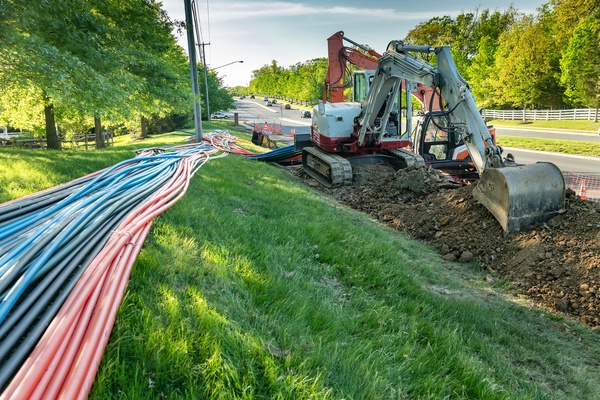
Broadband expansion depends on more than funding announcements and shiny maps. Construction methods influence project cost, speed, disruption, and long-term reliability. Planners often compare aerial lashing vs. underground fiber installation when deciding how to build networks across different environments.
Each approach brings advantages that matter in specific locations. Aerial work may move faster in areas with existing utility poles, while underground installation can offer stronger protection from storms and physical damage. Smart planning matches the method to the terrain, budget, weather risks, and community needs.
What communities should watch in 2026
Broadband projects will continue to shape local news as construction expands. Residents, business owners, and public officials should track several key developments, such as:
- Funding awards and grant deadlines.
- Construction timelines by neighborhood.
- Service availability for rural routes.
- Coordination with utility and road projects.
- Long-term maintenance plans.
- Affordability programs for low-income households.
These details help communities judge whether broadband promises translate into practical access. Strong oversight keeps projects moving and prevents infrastructure plans from becoming another meeting agenda item that mysteriously vanishes.
As broadband takes center stage in 2026, residents should expect more transparency from officials and providers. Clear planning, smart construction choices, and public accountability will determine which communities move ahead. Faster internet no longer sounds like a tech upgrade; it sounds like basic infrastructure with a very loud deadline.
AD
 Nokomis, IL
 98°F
Feels like 106°F°L: 98° H: 99°
98°F
Feels like 106°F°L: 98° H: 99°
AD

AD