Listeners:
Top listeners:
-
 play_arrow
Revolution Radio Your home for the best variety of Christian music
-
 play_arrow
Heartland Newsfeed Radio Network Heartland Newsfeed Radio Network
-
play_arrow
Heartland Newsfeed Radio Network (Abovecast Backup) Heartland Newsfeed Radio Network
-
 play_arrow
Home For The Holidays Radio
-
 play_arrow
Democracy Now! 2026-07-21 Tuesday
Moss: a remarkable organism to remove carbon
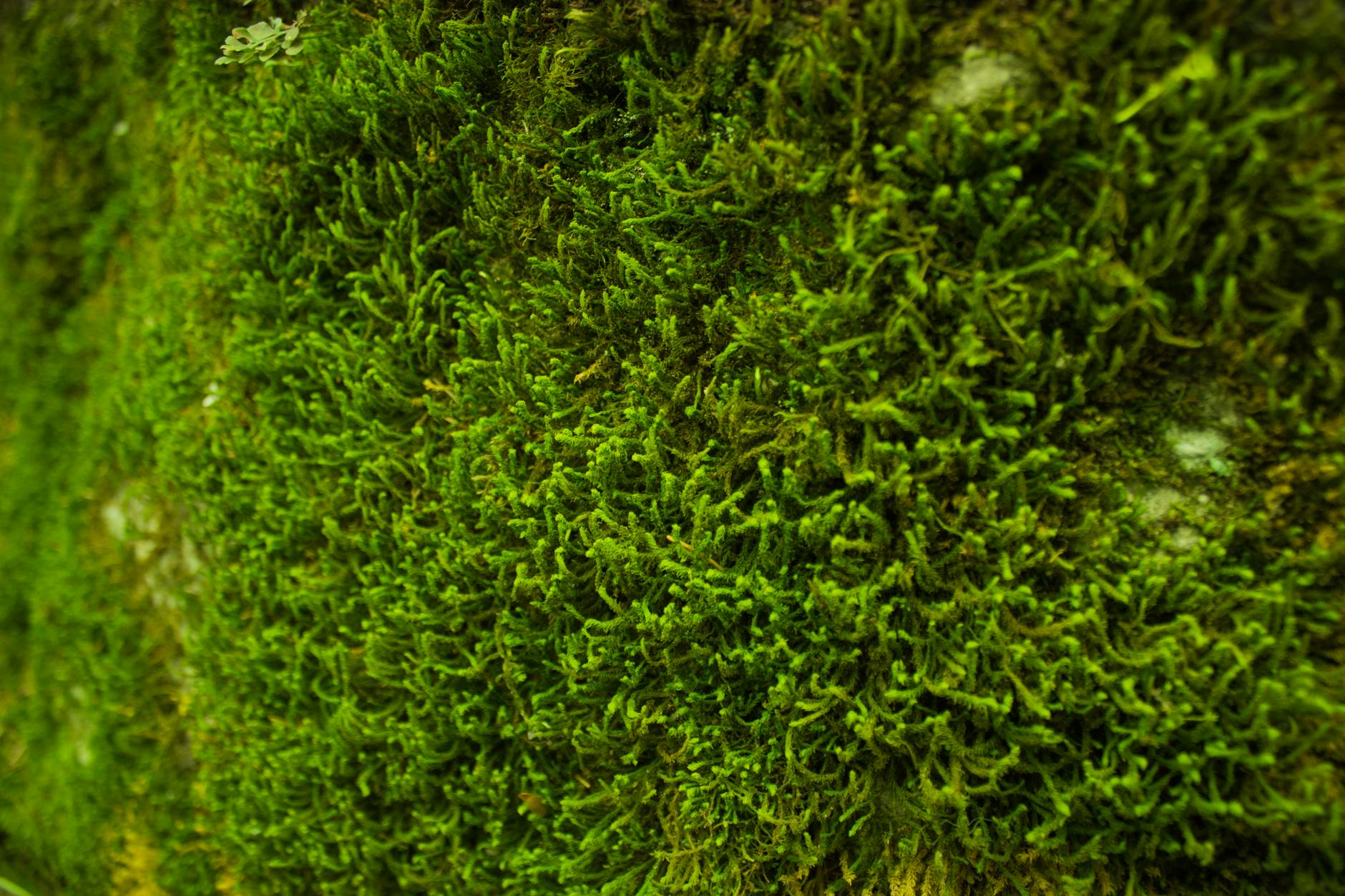
I saw a claim on social media that moss absorbs four times more carbon than trees. Social media not being a reliable source of information, I did some research to see what I could find.
Moss is indeed a remarkable organism in taking pollution from the air and storing it in the soil. In comparing it to trees, it would depend on the type of moss and the type of tree. The difference is trees, over a lifetime, absorb one ton of carbon, storing it in their roots and wood. Moss stores the carbon in the soil.
Not only does moss remove carbon from the air, but it also thrives without soil, growing on walls, rocks, and concrete. It cools urban spaces, and in the right conditions, requires little to no maintenance. Moss retains water leading to humid conditions that benefits nearby plants. Being ancient plants (450 million years old), they’ve survived through drastic climate changes.
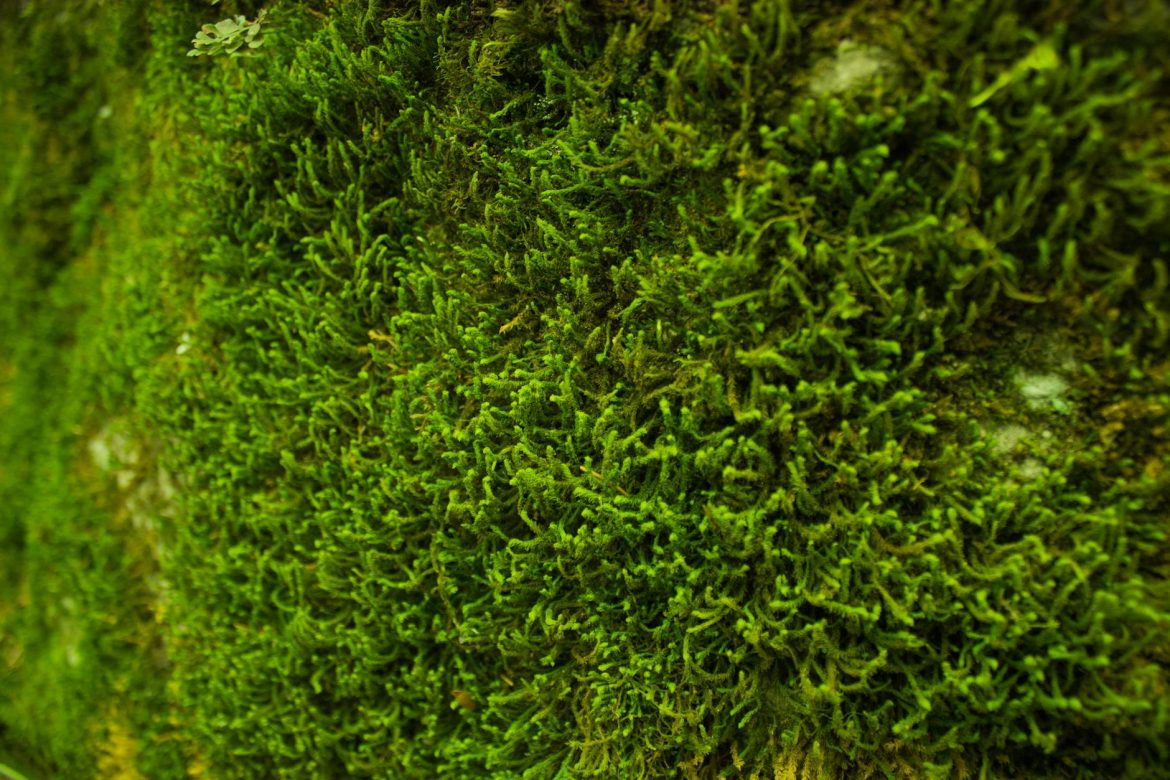
The good news doesn’t end there with this mighty plant. The soil beneath the moss, compared to moss-less soil, contains heightened levels of vital nutrients. It has accelerated rates of organic matter decomposition, adding to fertility. Additionally, there are fewer instances of soil-borne pathogens.
I’m sure you’ve noticed that the moss in your yard thrives in moist conditions. During a drought it seems to disappear completely. However, after the rain returns, boing! so does the moss. What other clues show conditions are good for moss to thrive besides poor drainage? Low fertility, like growing on a rock wall or, the soil is acidic.
Moss is a non-vascular plant, meaning it doesn’t have designated channels for moving water and nutrients, limiting how tall it can grow. A single leaf structure composes their makeup, with thread-like rhizoids for anchoring and water absorption. Moss doesn’t flower or produce seeds, instead using spores to reproduce.
The conclusion? If you have moss growing in your yard, instead of trying to get rid of it, knowing when conditions are right, it will return, let it thrive and do its bit to fight carbon-caused climate change. The gardening season is starting this month. If you run into a problem, call the Edgar County Extension Master Gardeners at (217) 465-8585 or email [email protected].

Jan Phipps, University of Illinois Extension